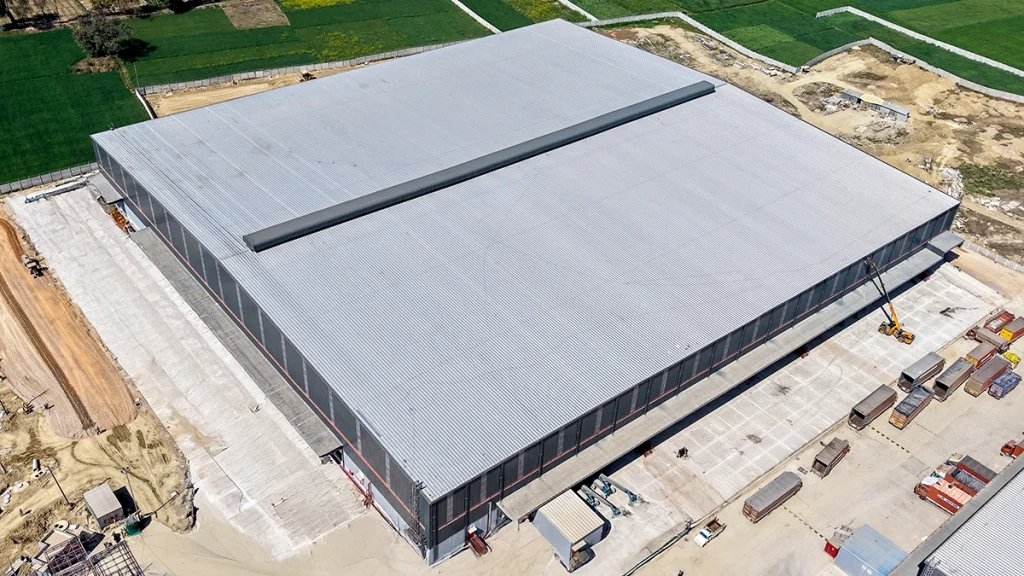
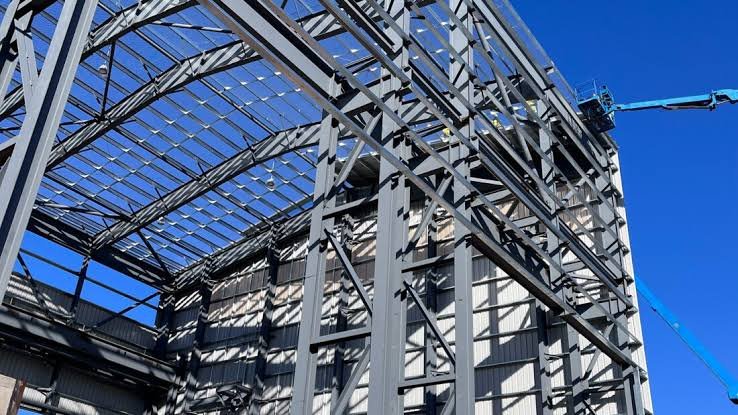
Why Choose Steel Structures?
Steel structure benefits make steel one of the most preferred construction materials for industrial, commercial, and infrastructure projects. From superior strength and faster construction to design flexibility and long-term durability, steel structures offer significant advantages over traditional building materials. Their high strength-to-weight ratio, seismic resistance, sustainability, and lower maintenance costs make them a reliable and cost-effective solution for modern construction. Whether you’re building a warehouse, factory, commercial building, or bridge, steel structures deliver exceptional performance and long-lasting value
Key Steel Structure Benefits
Superior Strength and Durability
Steel delivers outstanding tensile and compressive strength, enabling buildings to withstand heavy loads without compromising structural integrity. Properly fabricated steel structures can perform reliably for decades with minimal maintenance.
Faster Construction Time
Steel components are manufactured in controlled factory environments and assembled on-site, reducing construction time, labor requirements, and project delays. This prefabrication process also improves quality and installation accuracy.
Flexible Design Options
Structural steel can be fabricated into virtually any shape, making it ideal for warehouses, factories, commercial buildings, bridges, and modern architectural designs. Its flexibility also simplifies future modifications and expansions.
Excellent Earthquake and Wind Resistance
Steel is highly ductile, allowing it to absorb seismic forces and resist high winds without sudden failure. This makes steel structures a reliable solution in earthquake-prone and extreme weather regions.
Sustainable and Environment-Friendly
Steel is one of the world’s most recycled construction materials. It can be reused or recycled without losing its properties, reducing environmental impact and supporting sustainable building practices.
Lower Foundation and Maintenance Costs
Because steel is lightweight compared to concrete, buildings require smaller foundations, reducing construction expenses. Additionally, steel structures require less maintenance over their lifespan, making them a cost-effective investment
Applications of Steel Structures
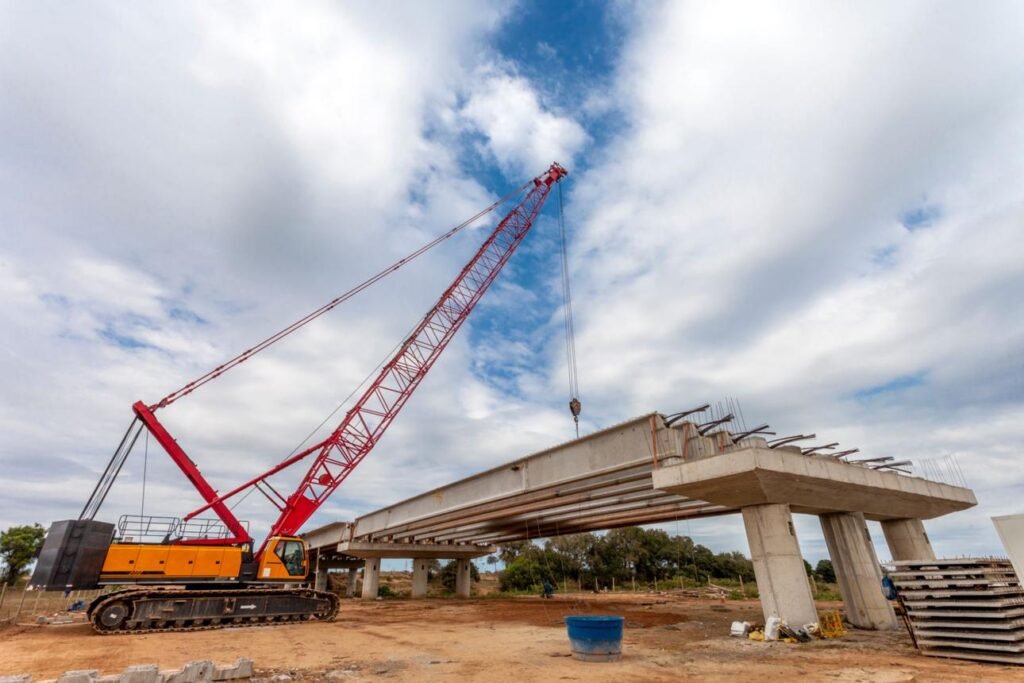
Steel structures are widely used across industries for manufacturing plants, warehouses, commercial buildings, bridges, airports, logistics centers, industrial sheds, and high-rise buildings. Their versatility, strength, and speed of construction make them suitable for projects of every scale.
Conclusion
The steel structure benefits extend beyond strength and durability. Faster construction, design flexibility, lower maintenance, sustainability, and cost savings make steel one of the most reliable construction materials available today. Whether you’re planning an industrial facility, warehouse, or commercial building, steel structures provide long-term value, safety, and performance.