Pre-Engineered Steel Structures by Metalix Engineering Pvt Ltd
Pre-engineered steel structures have revolutionized the way modern industrial and commercial buildings are designed and constructed. At Metalix Engineering Pvt Ltd, we leverage advanced engineering, precision fabrication, and innovative construction techniques to deliver structures that are faster to build, highly efficient, and cost-effective.
Our pre-engineered solutions are widely adopted across industries that demand strength, speed, flexibility, and long-term performance, making them a preferred alternative to conventional construction methods.
Modern Construction Approach
Unlike traditional buildings that rely heavily on on-site construction, pre-engineered steel structures by Metalix Engineering Pvt Ltd are:
- Designed using advanced structural engineering software
- Fabricated in a controlled factory environment
- Delivered to site in ready-to-assemble components
This streamlined approach ensures:
- Faster project execution
- Consistent quality and precision
- Reduced dependency on on-site labor
- Minimal construction delays
Key Advantages of Pre-Engineered Steel Structures
✔ Optimized Material Usage
Every component is carefully engineered based on actual load requirements, ensuring:
- Efficient use of steel
- Minimal material wastage
- Reduced overall project cost
- Improved sustainability
✔ Design Flexibility & Customization
At Metalix Engineering Pvt Ltd, we design structures that adapt to your business needs, including:
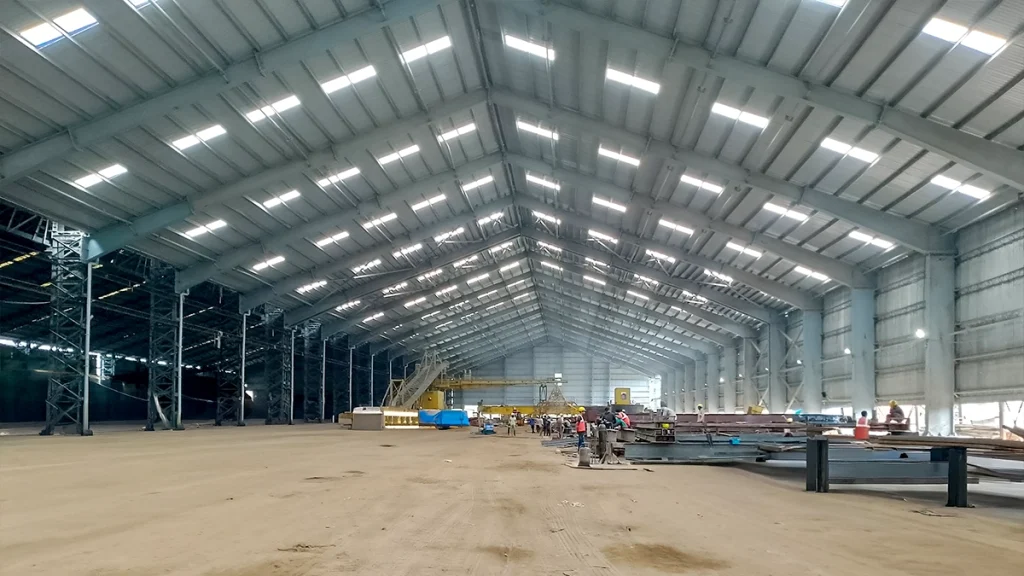
- Large clear-span buildings without internal columns
- Multi-bay layouts for expanded operations
- Mezzanine floors and integrated office spaces
- Provision for future expansion and modifications
This flexibility makes our structures ideal for growing and evolving businesses.
✔ Faster Construction & Project Delivery
With pre-fabricated components:
- On-site assembly is quick and efficient
- Construction timelines are significantly reduced
- Business operations can start sooner
This is especially beneficial for time-critical industrial and commercial projects.
Durability & Structural Performance
Pre-engineered steel structures by Metalix Engineering Pvt Ltd are built using high-grade structural steel combined with advanced protective systems.
Key performance features include:
- High resistance to corrosion through specialized coatings
- Excellent performance under wind loads and seismic conditions
- Ability to handle heavy industrial operations and dynamic loads
- Long service life with minimal structural degradation
These structures are designed to deliver consistent performance even in challenging environments.
Low Maintenance & Long-Term Value
Compared to conventional construction, pre-engineered steel structures require:
- Minimal maintenance
- Lower repair costs
- Reduced lifecycle expenses
This makes them a smart, long-term investment for businesses looking for durability and efficiency.
Applications of Metalix Pre-Engineered Steel Structures
Pre-engineered structures by Metalix Engineering Pvt Ltd are widely used across multiple sectors:
- Industrial sheds and manufacturing units
- Warehouses and logistics facilities
- Commercial buildings and workshops
- Cold storage and agricultural infrastructure
- Aircraft hangars and large-span structures
Their versatility allows them to be used in both small-scale developments and large industrial projects.
Why Choose Metalix Engineering Pvt Ltd?
- Expertise in PEB and steel structure engineering
- End-to-end solutions from design to erection
- Focus on quality, precision, and innovation
- Ability to deliver customized and large-scale projects
- Commitment to timely execution and client satisfaction
Building the Future with Metalix
At Metalix Engineering Pvt Ltd, we are committed to delivering next-generation pre-engineered steel structures that combine efficiency, durability, and modern engineering excellence.
Whether you are planning a new industrial facility, warehouse, or commercial building, we provide solutions that are scalable, reliable, and future-ready.