
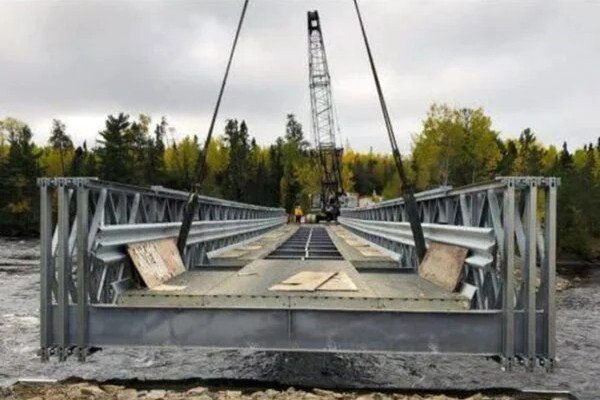
Steel bridge structures play a vital role in modern infrastructure by offering unmatched strength, flexibility, and construction efficiency. From highways and railways to industrial access roads and utility crossings, steel bridges are widely preferred for their ability to span long distances while carrying heavy loads safely and reliably.
Unlike conventional construction methods, steel bridge structures are largely fabricated in controlled factory environments. This ensures high precision, consistent quality, and reduced construction time on site. The prefabricated components are then transported and assembled at the project location, minimizing disruption and accelerating project delivery.
Why Steel Bridge Structures Are Preferred
One of the biggest advantages of steel bridge structures is their high strength-to-weight ratio. Steel allows designers to create lighter yet stronger structures, making it ideal for long spans and challenging site conditions. This also results in smaller foundations and lower overall project costs.
Steel bridges are also highly adaptable. They can be designed as girder bridges, truss bridges, or modular structures depending on load requirements, span length, and site constraints. Additionally, steel structures perform exceptionally well under dynamic loads such as traffic movement, wind, and seismic forces.
Durability and Maintenance Benefits
Modern steel bridge structures are protected with advanced corrosion-resistant coatings and surface treatments, significantly extending their service life. With proper design and maintenance, steel bridges can remain operational for decades with minimal upkeep. Compared to traditional materials, inspection and repair of steel components are easier and more cost-effective.
Applications of Steel Bridge Structures
Steel bridge structures are widely used across various sectors, including:
- Highway and expressway bridges
- Railway and metro bridge systems
- Industrial plant and factory access bridges
- Pedestrian walkways and flyovers
- Utility, pipeline, and service bridges
Their versatility makes them suitable for both permanent infrastructure and temporary bridge solutions.
Conclusion
Steel bridge structures represent a smart combination of engineering efficiency, durability, and speed of construction. As infrastructure demands continue to grow, steel bridges remain a reliable and future-ready solution for safe connectivity and sustainable development. With precise engineering, quality fabrication, and professional installation, steel bridge structures deliver long-term performance and value.